
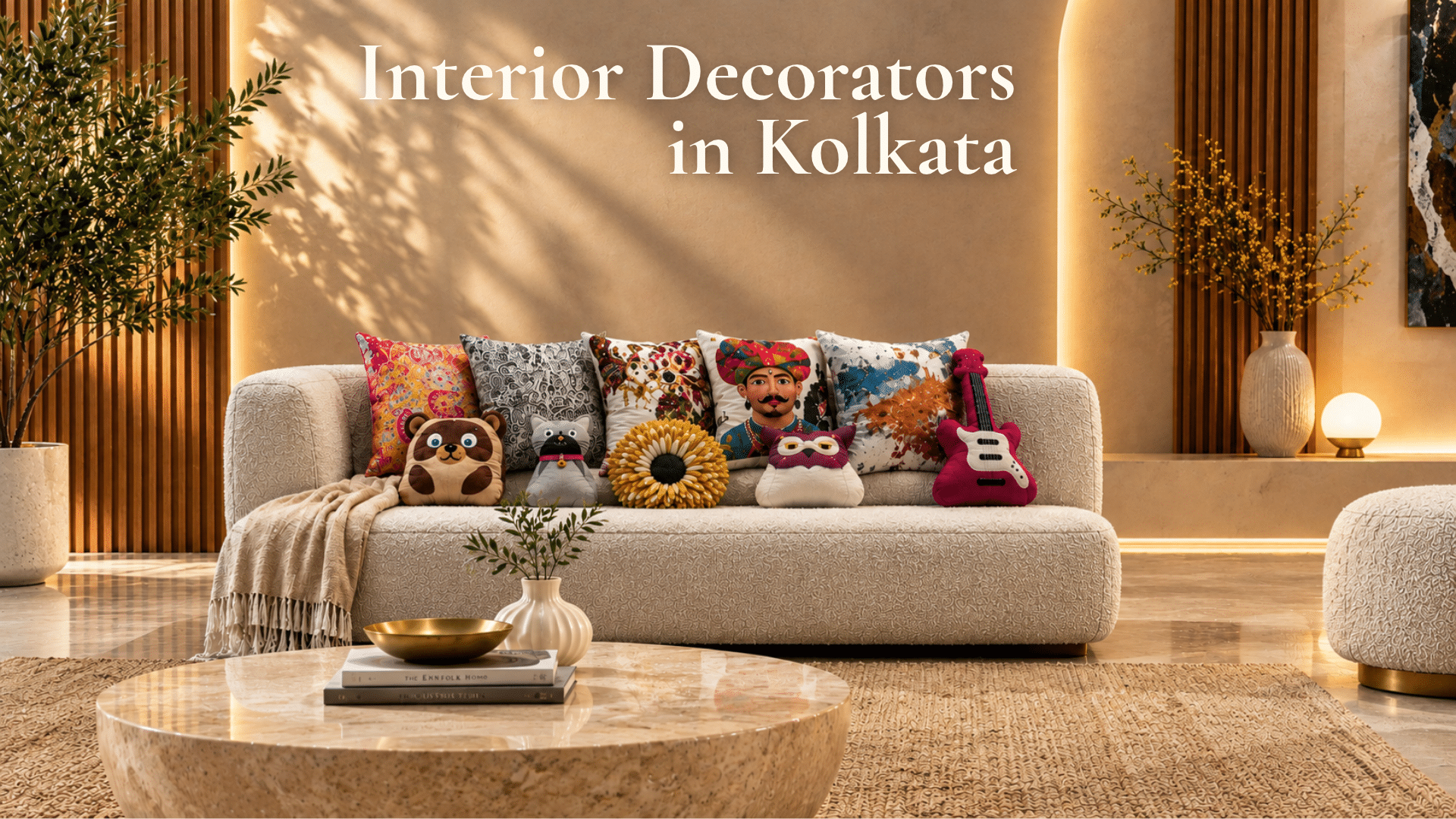
A well-designed home is about more than beautiful furniture, attractive colours, or expensive materials. It is about creating a space that reflects the people living in it while making everyday life more comfortable. From choosing the right flooring to coordinating wall finishes, furniture, lighting, and furnishings, every decision contributes to the overall character of an interior.
This is why finding the right interior decorators in Kolkata is an important part of planning a home or commercial space. Whether you are renovating an existing property, furnishing a new apartment, or designing a completely new interior, thoughtful planning can make a significant difference to the final result.
Kolkata’s homes offer a wide variety of design possibilities, from traditional residences with spacious rooms and high ceilings to contemporary apartments with compact layouts. Each property presents different opportunities and challenges. The right approach to interior decoration depends on understanding the available space, the lifestyle of its occupants, and the materials that will bring the design together.
At Posh, the focus is on bringing together carefully selected interior materials and solutions that help homeowners, architects and interior designers explore possibilities for creating distinctive spaces.
Understanding the Role of Interior Decorators
Interior decoration is often associated with selecting furniture, choosing paint colours and arranging decorative accessories. However, the process involves much more than making a room look attractive.
Interior decorators help establish the visual character of a space by considering how colours, textures, surfaces, furnishings and decorative elements work together. Their decisions can influence the atmosphere of a room, its visual balance and how comfortably people use it.
For example, a living room with neutral walls, natural wood finishes and carefully selected furnishings can create a warm and welcoming environment. A contemporary bedroom might use subtle colours, layered textures and understated lighting to create a more relaxing atmosphere.
The important part is understanding that every space has different requirements. A family home may need durable, easy-to-maintain finishes, while a luxury apartment may place greater emphasis on distinctive materials and carefully coordinated details.
Experienced interior professionals consider these requirements before recommending a particular design direction.
Choosing the Right Interior Decorators in Kolkata
Selecting an interior decorator is an important decision because the person you work with will help translate your ideas into a practical design.
Before beginning a project, it is worth considering the decorator’s previous work, design approach and understanding of your requirements. A portfolio can provide insight into their style, but it is equally important to discuss how they approach functionality, material selection and project planning.
Communication also plays an important role. Homeowners should feel comfortable discussing their preferences, budget, practical requirements and expectations. A good design process should allow room for these conversations rather than relying entirely on predefined styles or trends.
It is also useful to clarify the scope of work. Interior decoration, interior design, architectural planning and renovation are related but distinct activities. Understanding which services a professional actually provides can help prevent misunderstandings during the project.
For homeowners, the objective should be to find a professional whose approach aligns with the needs of the property and the people who will use it.
Start With the Space You Have
One of the most important aspects of interior decoration is understanding the existing space before making design decisions.
A large living room offers different possibilities from a compact apartment. Similarly, a bedroom with limited natural light may require a different colour palette from one with large windows and plenty of daylight.
Rather than immediately selecting furniture or decorative materials, consider how the space will be used.
Think about movement between rooms, storage requirements, natural lighting and the activities that take place in each area. These practical considerations provide a foundation for selecting suitable materials and finishes.
For example, a compact living room may benefit from lighter wall colours and carefully selected flooring that creates a sense of continuity. In a larger space, contrasting materials or darker accents can help establish visual interest without overwhelming the room.
Understanding the proportions of a room also helps prevent common design mistakes, such as choosing oversized furniture or introducing too many competing finishes.
The Importance of Choosing the Right Materials
Materials have a major influence on how an interior looks and feels. Even a relatively simple design can appear refined when the surfaces, textures and finishes are selected thoughtfully.
Flooring, laminates, veneers, wall finishes, sanitaryware, hardware and furnishings all contribute to the overall design. However, choosing these materials individually without considering their relationship can result in an inconsistent interior.
Imagine a living room with warm wooden furniture, cool-toned flooring and highly reflective wall finishes. Each element may look attractive on its own, but the combination might not create the intended atmosphere.
A more considered approach is to establish a material palette before making individual purchases. This allows different finishes to be evaluated together and helps maintain a consistent design direction.
At Posh, homeowners and design professionals can explore different interior material categories in one place, making it easier to consider how various products and finishes may work together.
Creating a Colour Palette That Feels Natural
Colour is often one of the first things people notice when entering a room. It can influence the atmosphere, affect the perception of space and connect different elements of an interior. However, selecting colours should involve more than following current design trends.
A practical starting point is to choose a dominant colour for the larger surfaces, such as walls or flooring. Supporting colours can then be introduced through furniture, cabinetry, fabrics and decorative elements.
For instance, a combination of warm neutrals, natural wood tones and muted accent colours can create a comfortable residential interior. Alternatively, a contemporary space might use a restrained palette with darker accents to introduce contrast.
Lighting should also be considered during colour selection. A shade that appears warm in a showroom may look different under the natural and artificial lighting conditions of a home. It is therefore useful to view colour samples in the actual space before making a final decision.
How Textures Bring an Interior to Life
Colour establishes the overall mood of a room, but texture adds depth and character. A room dominated by smooth surfaces can sometimes appear flat. Introducing different textures through wood finishes, fabrics, stone-inspired surfaces, or decorative elements can make the space more visually engaging. The key is to create contrast without introducing unnecessary complexity.
For example, a smooth laminate finish can complement a textured wall surface, while soft furnishings can balance the harder appearance of stone or glass. Similarly, natural wood textures can introduce warmth into a contemporary interior.
These combinations work particularly well when the overall colour palette remains consistent. Interior decorators often use texture to create visual interest without relying on excessive decoration. This approach can help a space feel more refined while preserving its functionality.
Interior Decoration Ideas for Different Areas of Your Home
Every room has a different purpose, so its decoration should reflect how it will be used.
Living Room
The living room is often one of the most frequently used areas of a home. It may serve as a place for relaxation, family gatherings and entertaining guests.
A balanced combination of flooring, wall finishes, furniture and lighting can help create a welcoming environment. Rather than introducing too many decorative elements, it is often more effective to establish one or two focal points.
A distinctive wall finish, carefully selected furniture or a combination of contrasting materials can provide visual interest while allowing the rest of the room to remain relatively understated.
Bedroom
A bedroom should provide a comfortable and relaxing environment. Colour, lighting, textures and furniture placement all contribute to its atmosphere. Soft colours, layered fabrics and warm lighting can help create a calming setting. Material choices should also consider maintenance and everyday use, particularly for frequently handled furniture and surfaces.
Instead of filling the room with decorative accessories, focus on a few carefully selected elements that support the overall design.
Kitchen
A kitchen needs to balance appearance with practicality. Cabinet finishes, countertops, flooring and hardware should complement one another while remaining suitable for regular use. Material selection is particularly important in this space because surfaces are exposed to moisture, heat, spills and frequent cleaning.
When planning a kitchen, consider the relationship between cabinetry, countertops, backsplashes and lighting. A coordinated palette can make even a relatively compact kitchen feel organised and visually cohesive.
Bathroom
Bathrooms require careful attention to both design and functionality. Sanitaryware, wall surfaces, flooring, fittings and storage need to work together within the available space. The choice of materials should account for moisture exposure, cleaning requirements and installation compatibility.
A combination of restrained colours, complementary surfaces and well-proportioned sanitaryware can create a bathroom that feels comfortable without appearing overcrowded.
Why Material Coordination Matters
One of the biggest challenges in an interior project is ensuring that all the selected materials work together. Homeowners often choose flooring from one supplier, sanitaryware from another, and furniture finishes from somewhere else. Although this approach provides flexibility, it can also make it difficult to maintain consistency.
Material coordination helps address this challenge. When selecting different products, consider their colours, patterns, textures and finishes together. A consistent design direction can connect different rooms and create a natural transition between spaces.
For example, repeating a particular wood tone in cabinetry and furniture can establish continuity. Similarly, using complementary hardware finishes across different rooms can create a subtle connection between otherwise distinct areas.
This does not mean that every room should look identical. Different spaces can have their own character while sharing a few common design elements.
Balancing Aesthetics With Everyday Functionality
A beautiful interior should also work for the people who use it. A material that looks impressive in a showroom may not be suitable for a busy family home. Delicate surfaces may require more maintenance, while certain finishes may not be appropriate for areas exposed to moisture or heavy use.
Before finalising materials, consider how frequently the space will be used and what kind of maintenance will be practical.
For a family living room, durability and ease of cleaning may be important. In a kitchen, resistance to everyday wear and suitability for the intended application deserve attention. In a bathroom, moisture exposure and slip resistance in appropriate areas should be considered.
The most successful interiors are not simply attractive. They are designed around the practical requirements of everyday life.
The Value of Exploring Materials Before Making a Decision
Choosing interior materials entirely from photographs or online catalogues can sometimes make it difficult to understand their actual appearance. Colours may vary depending on lighting, and the texture of a surface may not be apparent in a photograph. Even two similar-looking finishes can feel noticeably different when viewed in person.
Visiting a showroom allows homeowners and professionals to examine materials more closely, compare different finishes and understand how products might work together.
It can also help clarify decisions before placing orders, particularly when several categories of materials are involved.
Posh brings together a range of interior products, including surfaces, sanitaryware, laminates, veneers, hardware and furnishings. This provides an opportunity for homeowners, architects and interior designers to explore different options while considering the requirements of their projects.
Interior Decoration Trends Versus Timeless Design
Interior trends can provide inspiration, but they should not be the only factor influencing design decisions. A particular colour, material or furniture style may be popular today but may not suit every home or remain appealing over time. Instead of adopting an entire trend, consider incorporating selected elements that complement the overall design.
Natural textures, balanced colour palettes and carefully chosen materials can create interiors that remain visually appealing beyond a particular design season. This is especially relevant for homeowners investing in long-term renovations. Replacing major surfaces or built-in furniture can be expensive, so it makes sense to consider how the selected materials will look and function over time.
A timeless design does not have to be traditional or minimal. It simply needs to reflect the homeowner’s preferences while avoiding unnecessary dependence on short-lived trends.
How Posh Supports Your Interior Material Selection
Planning an interior project involves numerous decisions, from selecting major surfaces to choosing the smallest finishing details. Having access to different material categories in one destination can make this process more convenient.
Posh is a multi-brand interior solutions destination for homeowners, architects, interior designers and builders. Its range includes surfaces, sanitaryware, laminates, veneers, hardware, furnishings, and other interior products.
By bringing these categories together, Posh provides an environment where visitors can explore different materials and consider how they fit into their design requirements. Whether you are planning a new home, renovating an existing space or working on a residential or commercial project, comparing materials and finishes in person can help you make more informed decisions.
The focus is not simply on choosing individual products but on understanding how they contribute to the overall interior.
Final Thoughts
Finding the right interior decorators in Kolkata is an important step towards creating a space that reflects your preferences and supports your lifestyle. However, a successful interior project also depends on thoughtful material selection, careful planning, and a clear understanding of how different elements work together.
From choosing a suitable colour palette to coordinating surfaces, textures, furniture and finishes, every decision contributes to the final result. Whether you are decorating a new apartment, renovating your home or planning a commercial interior, take the time to understand the space and evaluate materials before making significant decisions.
At Posh, the emphasis is on helping homeowners and design professionals explore interior materials and discover combinations that suit their projects. With the right planning and carefully considered choices, an ordinary space can become a comfortable, functional, and visually distinctive environment.