
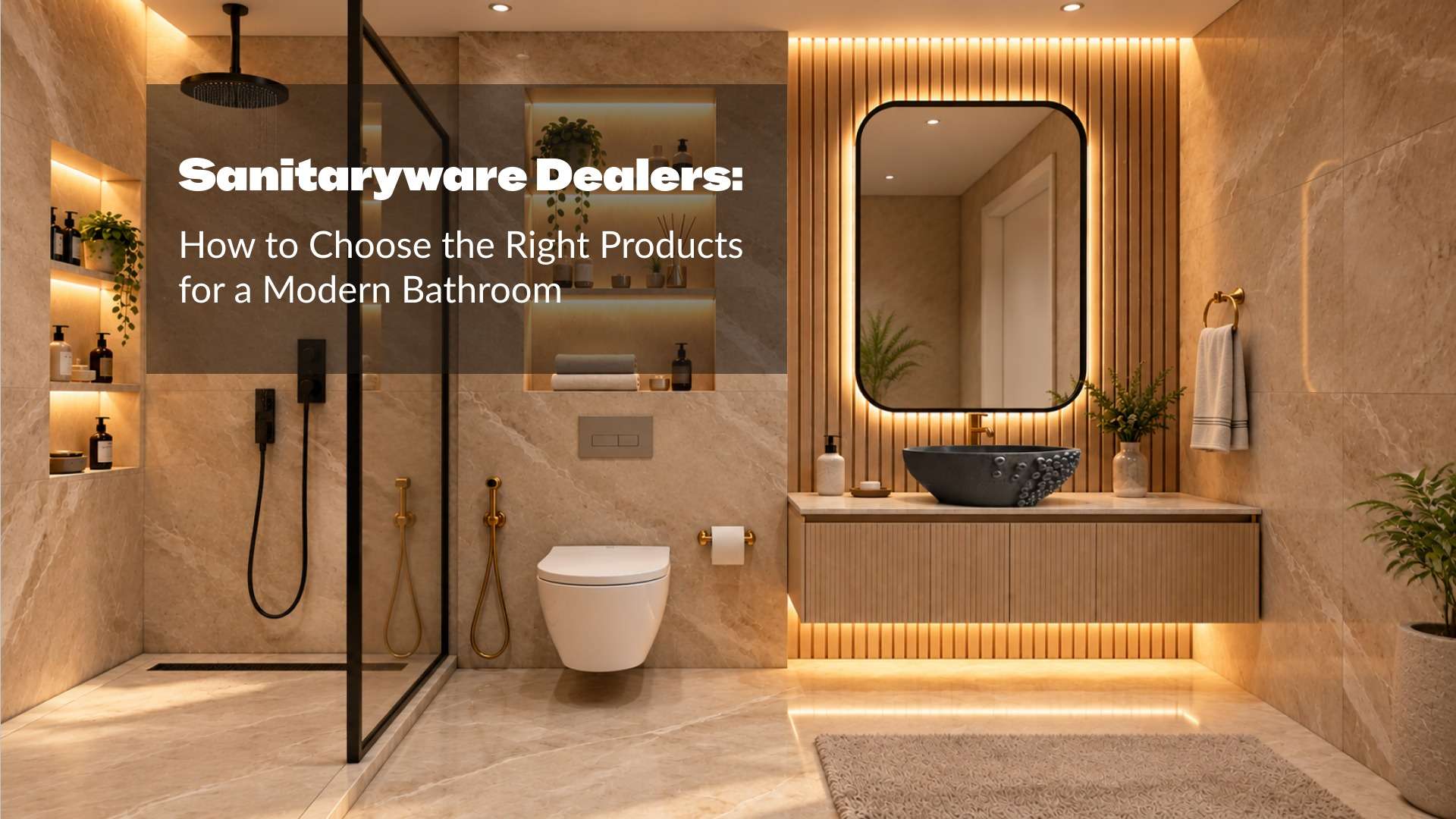
A well-designed bathroom is about more than its appearance. The right combination of sanitaryware, fittings, surfaces, and accessories can make the space more comfortable, functional, and easier to maintain. Whether you are planning a new home, renovating an existing bathroom, or selecting materials for a residential or commercial project, choosing the right products is an important part of the process.
This is why finding reliable sanitaryware dealers matters. A good dealer can help buyers explore different product options, compare designs, understand specifications, and select products that suit their space, requirements, and budget. With so many styles, finishes, and configurations available, having access to a well-curated range can make bathroom planning more straightforward.
For homeowners, architects, interior designers, builders, and contractors, the goal is not simply to purchase a wash basin or toilet. It is to create a bathroom where every element works together, from the sanitaryware and taps to the tiles, lighting, and storage.
At Posh, a premium multi-brand interior solutions destination, buyers can explore sanitaryware alongside other interior materials, making it easier to consider the bathroom as a coordinated space rather than a collection of separate products.
Why Choosing the Right Sanitaryware Dealer Matters
Sanitaryware is a long-term investment. Products such as wash basins, water closets, urinals, and other bathroom fixtures are used frequently, so their design, dimensions, material quality, and compatibility with the available plumbing can affect everyday convenience. Choosing a dealer involves more than comparing prices. Buyers need to understand the range of products available, the specifications of individual models, and whether the selected items will work with their bathroom layout.
A well-organized showroom can make this process easier by allowing customers to compare different designs and finishes in person. Seeing products up close can help buyers understand their proportions, surface appearance, and suitability for the intended space.
For professionals handling multiple projects, product variety and access to relevant specifications are also important. Architects, interior designers, and contractors often need to coordinate sanitaryware with tile layouts, countertop dimensions, plumbing positions, and the overall design concept.
Selecting the right dealer at the beginning can help reduce uncertainty during product selection and support better planning throughout the project.
Understanding the Different Types of Sanitaryware
Before visiting sanitaryware dealers, it helps to understand the main product categories and how they fit into a bathroom.
Wash Basins
Wash basins are among the most visible elements of a bathroom. Their shape, size, installation style, and position can influence both the appearance and usability of the space.
Countertop basins are often chosen for their distinctive appearance and design flexibility. Wall-mounted basins can be useful where floor space is limited, while pedestal basins offer a more traditional look. Under-counter and semi-recessed options may suit particular countertop configurations.
The right choice depends on the available space, the height and depth of the vanity, storage requirements, and the intended design style. Buyers should also check tap-hole arrangements, waste outlet compatibility, and installation requirements before finalizing a model.
Water Closets and Toilets
Water closets are essential fixtures, and selecting the right type involves considering more than appearance. One-piece toilets combine the tank and bowl into a single unit, while two-piece models have separate components. Wall-hung toilets can create a more streamlined appearance and make floor cleaning easier, but they require compatible concealed cisterns and suitable installation arrangements.
Other considerations include the available floor area, outlet configuration, flushing mechanism, water requirements, seat compatibility, and access for maintenance. Before purchasing, confirm that the chosen model is compatible with the bathroom’s plumbing layout. A visually appealing product may not be the right choice if it requires extensive modifications to fit the existing space.
Urinals and Commercial Sanitaryware
Commercial properties, offices, hospitality spaces, and other high-usage environments may require sanitaryware designed around specific occupancy and maintenance needs. Urinals, commercial wash basins, and suitable toilet configurations should be selected according to the facility’s layout, expected usage, accessibility requirements, and plumbing arrangements.
For project buyers, consistency across multiple units can also be important. Selecting products with appropriate specifications and checking availability before ordering can help keep procurement aligned with the construction schedule.
Bathroom Fixtures and Complementary Products
Sanitaryware is only one part of a complete bathroom. Taps, mixers, showers, shower panels, drains, and accessories all influence how the space functions and looks.
These products must be compatible with the selected fixtures and the existing plumbing. For example, a basin and tap should work together in terms of height, reach, mounting arrangement, and water flow. Considering complementary products at the same time can help create a more consistent design while reducing the likelihood of compatibility issues later.
How to Choose the Right Sanitaryware for Your Bathroom
Every bathroom has different requirements. A compact apartment bathroom may need space-conscious fixtures, while a large residential bathroom may offer more flexibility in terms of shape, placement, and design.
The best selection begins with understanding the space rather than choosing products based only on appearance.
Start with the Bathroom Layout
Measure the available floor area, wall dimensions, countertop space, and plumbing positions before comparing products. These measurements help determine which fixtures can fit comfortably without obstructing doors, movement, or access to other bathroom elements.
Pay attention to the clearance around toilets, basins, and shower areas. A product that looks attractive in a showroom may feel inconvenient if it occupies too much space in the actual bathroom. For renovation projects, check whether the existing plumbing can accommodate the new fixture or whether additional work will be required.
Consider Everyday Usability
A bathroom should support the needs of the people using it every day. Families may priorities easy cleaning and durable surfaces, while guest bathrooms may place greater emphasis on appearance and compact dimensions.
For shared or accessible bathrooms, the height, reach, clearance, and ease of use of fixtures deserve particular attention. Think about who will use the bathroom, how frequently it will be used, and what features will make everyday routines more convenient.
Evaluate Materials and Finish
The material and finish of a sanitaryware product affect its appearance, maintenance, and suitability for regular use. Glazed ceramic and vitreous china are common materials for sanitary fixtures. Buyers should examine the product finish, manufacturing specifications, warranty information, and cleaning recommendations provided by the manufacturer.
White sanitaryware remains a versatile choice because it works with a wide range of tile colours and interior styles. Other finishes and colours can create a more distinctive look, particularly when coordinated with taps, accessories, and wall surfaces. Rather than selecting every product independently, consider how the finishes will work together under the bathroom’s lighting and against the chosen tiles.
Compare Quality, Warranty, and After-Sales Support
A product’s appearance alone does not establish its quality. Review the manufacturer’s specifications, warranty terms, recommended maintenance, and availability of compatible replacement components where relevant.
Ask the dealer whether the product is intended for the level of use expected in your project and whether the required accessories are included or sold separately. For larger projects, confirm product availability and expected delivery schedules before placing an order. These checks are particularly important when multiple bathrooms need matching fixtures.
What Should You Look for When Comparing Sanitaryware Dealers?
Not all buyers have the same requirements, and not every dealer offers the same product range or level of assistance. Comparing a few practical factors can help you make a more informed decision.
Product variety: Look for a range that allows you to compare different styles, dimensions, and installation types. A varied selection can be especially helpful when you are still exploring the design direction for your bathroom.
Access to product information: Dimensions, installation requirements, specifications, warranty details, and maintenance guidance help buyers assess whether a product is suitable for the intended application.
Brand options: A multi-brand selection gives buyers the opportunity to compare different designs and product ranges in one place. It can also make it easier to coordinate products from complementary categories.
Price transparency: Compare the complete cost rather than the displayed price alone. Check whether the quoted amount includes the necessary fittings, accessories, delivery, or other applicable charges.
Product availability: Confirm availability and lead times, particularly for large orders or projects with fixed installation schedules.
Guidance during selection: A showroom environment where buyers can examine products and discuss their requirements can make the selection process easier, especially when several fixtures need to work together.
These considerations are relevant whether you are buying sanitaryware for one bathroom or sourcing products for a larger residential or commercial development.
Matching Sanitaryware with Tiles, Countertops, and Bathroom Interiors
A bathroom feels more cohesive when the fixtures and surrounding materials are selected as part of a common design plan.
For example, white sanitaryware can create a clean contrast against darker wall tiles, while neutral stone-inspired surfaces can provide a calm background for contemporary fixtures. Natural textures and warm finishes may suit a softer, more understated interior, whereas bold tile patterns can become the focal point of a more expressive design.
The countertop and vanity also influence the final result. A countertop basin may become a visual highlight, while an integrated or under-counter option can create a more understated appearance. The choice should reflect both the design objective and the practical requirements of the space.
Lighting deserves attention as well. Warm and cool lighting can change how colours and finishes appear, so it is useful to assess material samples under lighting conditions similar to those planned for the finished bathroom.
This is one reason it can be helpful to explore sanitaryware alongside tiles, laminates, surfaces, and other interior materials. Coordinating these elements early makes it easier to identify combinations that work in terms of colour, texture, proportion, and usability.
Sanitaryware Selection for Architects, Interior Designers, and Builders
Professionals often evaluate sanitaryware differently from individual homeowners. Their decisions must account for design intent, technical specifications, project budgets, availability, and installation schedules. Architects and interior designers need fixtures that complement the overall concept while meeting the practical requirements of the space. Builders and contractors must also consider installation compatibility, procurement timelines, and the consistency of products across multiple bathrooms.
For these buyers, a few additional checks can be useful. First, prepare a fixture schedule that lists the required products, model references, dimensions, finishes, and quantities. This reduces ambiguity when comparing quotations or placing orders. Second, verify the plumbing and installation specifications before confirming the product selection. If the design includes concealed cisterns, wall-hung fixtures, or other specialized configurations, the necessary supporting components should be accounted for at the planning stage.
Third, confirm stock status, expected delivery dates, and the process for handling damaged or incorrect items. A clear procurement plan helps minimize avoidable delays. Finally, keep the design consistent without assuming that every bathroom needs identical products. Guest bathrooms, master bathrooms, staff facilities, and high-traffic commercial washrooms may each have different functional requirements.
Common Mistakes to Avoid When Buying Sanitaryware
Even carefully planned bathroom projects can run into problems when product selection happens too late or without checking technical details. One common mistake is choosing fixtures based entirely on appearance. Attractive designs are important, but dimensions, cleaning requirements, plumbing compatibility, and ease of use should carry equal weight.
Another is overlooking installation requirements. Wall-hung toilets, concealed cisterns, and certain basin designs may require additional supporting structures or plumbing adjustments. These details should be confirmed before purchase rather than during installation.
Buyers may also underestimate the importance of coordinated finishes. Selecting tiles, basins, taps, and accessories separately can result in a bathroom where individual products look appealing but do not work well together.
Ignoring the complete budget is another frequent issue. The overall cost may include fixtures, compatible fittings, installation materials, plumbing changes, delivery, and labour. Planning for these expenses helps avoid unexpected additions later.
Finally, do not assume that all products from a particular category have identical specifications. Confirm the details of the exact model being purchased, including warranty coverage and installation instructions.
Why Explore Sanitaryware at Posh?
Choosing sanitaryware is often part of a larger interior design decision. Buyers may need to coordinate bathroom fixtures with tiles, surfaces, countertops, and other materials while keeping the overall design and budget aligned.
Posh is a premium multi-brand interior solutions destination where customers can explore sanitaryware alongside other interior material categories. This creates an opportunity to consider individual products within the context of the wider space. Homeowners can compare options for their bathroom projects, while architects, interior designers, and builders can evaluate materials that support their design and procurement requirements.
Rather than treating the basin, toilet, tiles, and complementary finishes as unrelated purchases, buyers can think about how these elements contribute to a unified result. The objective is to create a bathroom that balances appearance, functionality, maintenance, and long-term suitability. If you are planning a new bathroom or renovating an existing one, exploring products in person can help you assess finishes, proportions, and design combinations before making a final decision.
Conclusion
Finding the right sanitaryware dealers is an important step in creating a bathroom that is both functional and visually appealing. The right products should fit the available space, work with the plumbing, meet everyday requirements, and complement the surrounding materials. Before making a purchase, compare product specifications, installation requirements, warranty terms, availability, and the overall cost. If you are working on a larger project, confirm quantities and delivery schedules early to help keep the work on track.
A well-planned bathroom brings together many individual decisions, from sanitaryware and taps to tiles, countertops, and accessories. Exploring these categories together can make the selection process more organized and help achieve a more consistent finish. For homeowners and design professionals looking for a considered approach to interior materials, Posh offers a place to explore sanitaryware as part of a broader interior solutions selection.
Posh is one of the most trusted destinations for premium sanitaryware and interior solutions in Kolkata, offering a carefully curated selection of products to suit diverse design preferences and project requirements. With a focus on quality, variety, and a comprehensive showroom experience, Posh helps homeowners, architects, interior designers, and builders explore suitable sanitaryware and complementary interior materials. Whether you are planning a new bathroom or renovating an existing one, Posh brings together design possibilities and practical considerations to help you make informed choices for a functional and refined space.